


School is out. In Kenya, the long holiday runs from late October right through to January, and across Nigeria, Ghana and South Africa, the December break is just weeks away. For parents, that means a familiar question, often asked by about day three: “Mummy, I’m bored. What can I do?”
Keeping children busy does not have to mean expensive outings or endless screen time. Here are 30 holiday activities for kids that cost little or nothing, grouped by type, plus a simple routine to make the long weeks easier for everyone.
Why holiday activities matter
Long breaks are a chance for children to rest, play and learn in different ways. The World Health Organization recommends that children aged 5 to 17 get an average of at least 60 minutes of moderate to vigorous physical activity a day. Unstructured play, chores and family time also build independence, creativity and confidence.
Outdoor and active play
- Traditional games: teach them the games you played as a child, such as ten-ten, suwe (hopscotch), tinko tinko, police and thief or kati.
- Skipping competition: a rope costs very little and gives hours of exercise.
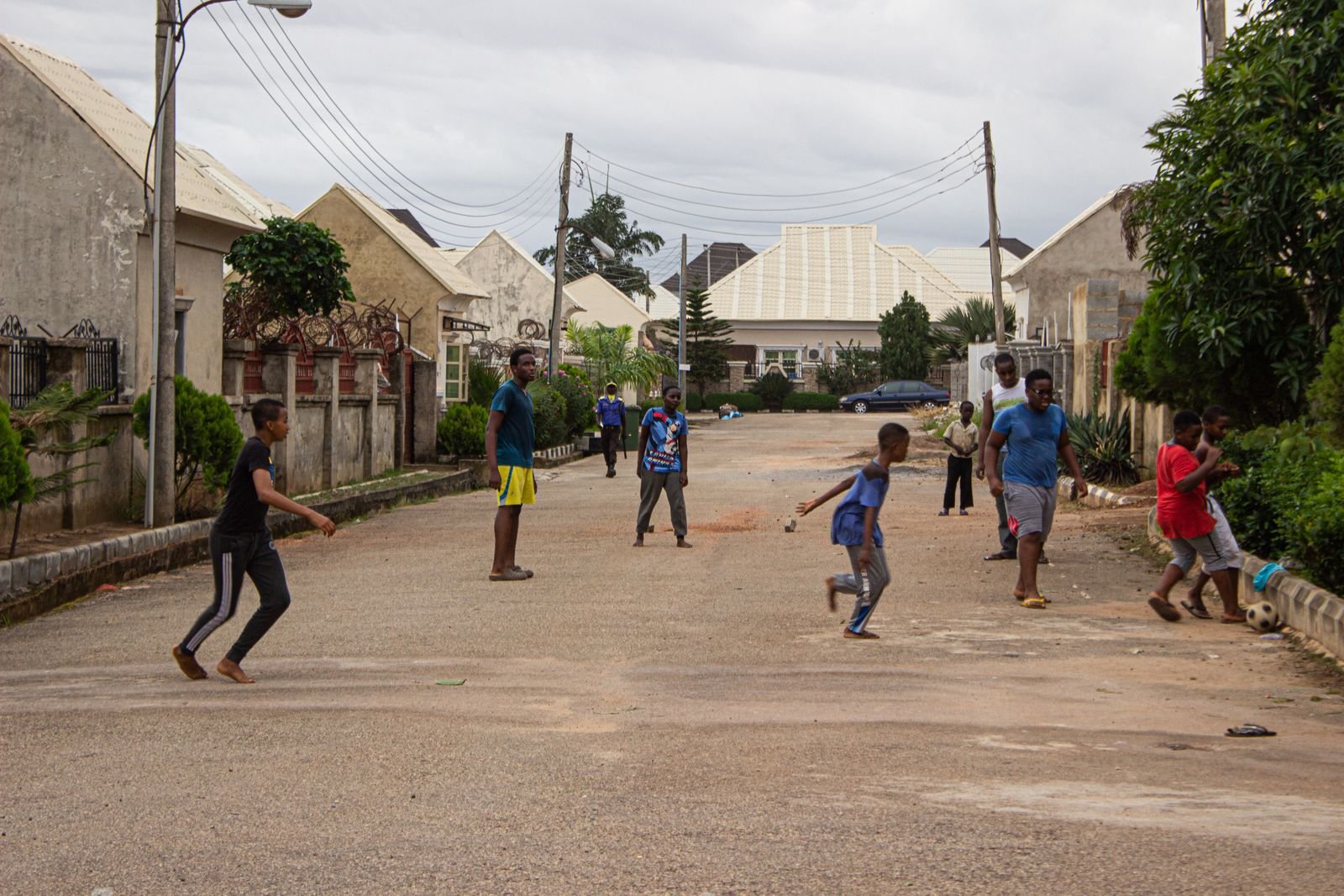
- Neighbourhood football or netball with friends, with an adult nearby.
- Nature walk: collect leaves, seeds and stones, then make a nature collage at home.
- Plant a garden: grow tomatoes, pepper, ugu, sukuma wiki or spinach in pots or a small patch. Children love watching their plants grow.
- Morning exercise routine: 15 minutes of jumping jacks, dancing or stretching together before breakfast.
Creative activities at home
- Junk modelling: turn empty cartons, bottles and boxes into cars, houses or robots.
- Drawing and painting challenge: give a daily theme such as “my dream house” or “our street”.
- Make a family newspaper with stories, drawings and “interviews” with relatives.
- Bead making or friendship bracelets with cheap beads and thread.
- Write and act a play to perform for the family on a Sunday evening.
- Learn a dance: let them teach you the latest moves, and teach them a traditional dance in return.
Learning without feeling like school
- Daily reading time: 20 to 30 minutes with a book. Swap books with friends or visit a local library.
- Learn your mother tongue: five new words a day in Yoruba, Igbo, Hausa, Swahili or your home language.
- Family history project: ask grandparents about where the family comes from and draw a family tree.
- Market maths: give older children a small budget and a shopping list at the market.
- Start a holiday journal with one sentence and one drawing each day.
- Simple science experiments using kitchen items, such as growing beans on wet cotton wool.
Life skills and helping at home
- Cook together: let them help make jollof, chapati, puff-puff or pancakes. Check our affordable family meals for ideas.
- Age-appropriate chores with a sticker chart or small reward.
- Learn to sew a button or fix something simple.
- Plan a family meal: older children choose the menu, list the ingredients and help cook.
- Money skills: help them save holiday money in a jar and track it.
Family and community time
- Visit grandparents or relatives, especially in the village if you can.
- Family movie night with homemade popcorn.
- Board games and card games such as Ludo, Whot, draughts or Monopoly.
- Volunteer together at your place of worship, a children’s home or a community clean-up.
- Prepare for the festive season: make Christmas cards, decorations or Eid gifts by hand.
- Picnic at a local park or beach with food packed from home.
- Story night: take turns telling folk tales, such as tortoise stories, by torchlight.
A simple holiday routine
Children cope better with long breaks when days have some shape. Try a loose routine like this:
- Morning: wake up, chores, breakfast, outdoor play while it is cool
- Midday: lunch, quiet reading or a creative activity
- Afternoon: learning activity, then free play
- Evening: family time, limited screen time, early bedtime
Agree on screen limits at the start of the holiday. Our screen time guide can help you set fair rules.
Keeping children safe during the holidays
- Know where your children are and who they are with, especially at parties and outings.
- Supervise swimming at all times, at beaches, rivers and pools.
- Agree on rules for gaming and online chat. See our guide to whether Roblox is safe for kids.
- Teach children your phone number and what to do if they get lost.
Frequently asked questions
How can I keep my child busy during the holidays without spending money?
Mix outdoor play, traditional games, reading, cooking together, chores, creative projects and family visits. A simple daily routine helps the weeks go smoothly.
How much screen time should children have during the holidays?
Agree on clear limits before the holiday starts, keep screens out of bedrooms at night, and make sure screen time comes after chores, play and reading.
What are good indoor activities for rainy or very hot days?
Junk modelling, drawing challenges, board games, writing a play, cooking together, reading and simple kitchen science experiments all work well indoors.
Keep reading
- 20 Nigerian lunch box ideas kids will actually eat
- Exam stress: how to support your teen through matric, KCSE and WAEC
- Screen time for children: an age-by-age guide
- Budgeting for school fees: a practical guide for African parents
More on family life in Africa in our Family section.
Featured image: Photo by PraiseToby Praise on Pexels.