

Parenting in Ghana is shaped by family relationships, local schools, health systems, culture, technology and household realities. The most useful approach is not perfection. It is a set of dependable practices that protect children, strengthen connection and prepare them for adult life.
Quick answer: Families thrive when parents combine warmth with clear boundaries, maintain health and learning routines, plan ahead and seek qualified support early. The following steps turn those principles into daily action.
1. Invest in the early years
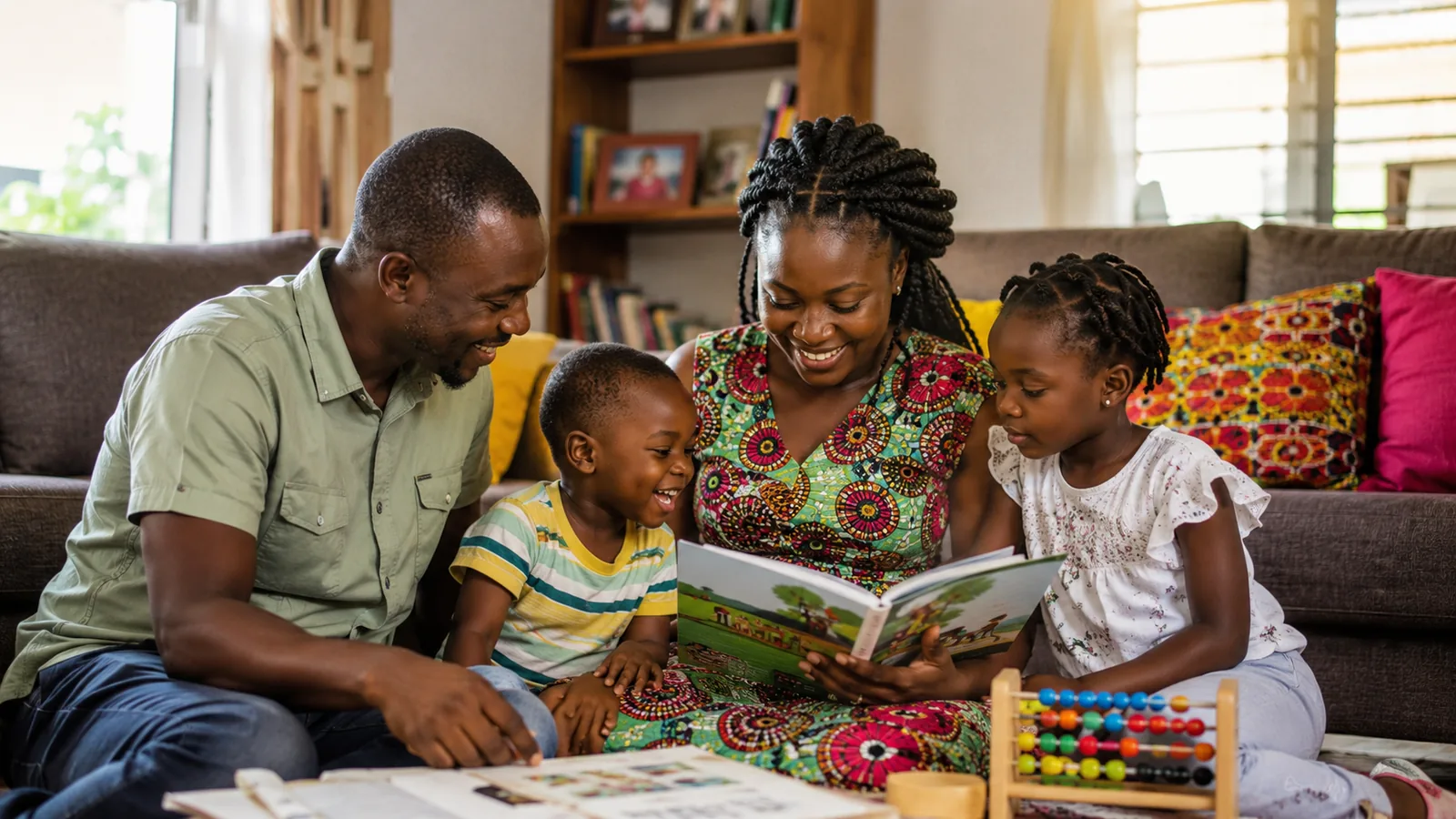
Young children learn through responsive conversation, play, movement and secure relationships. UNICEF Ghana notes that Ghana provides two years of free and compulsory kindergarten, but learning begins well before formal school. Talk, sing, count, tell stories and let children safely explore everyday objects.
2. Practise discipline that teaches
State the rule, explain why it matters and follow through calmly. Avoid humiliation and violence. Use natural or logical consequences, repair and chances to practise the expected behaviour. Children are more likely to internalise values when adults model them consistently.
3. Stay engaged with school
Know the teacher, attend meetings and ask what the child understands rather than only requesting scores. Watch for changes in attendance, mood or confidence. If a child struggles, agree on one or two concrete actions with the teacher and review progress.
4. Protect health information
Keep birth, immunisation and clinic records secure. Verify health claims with qualified professionals and trusted public sources. Seek timely care when symptoms are severe or persistent. Online advice can support questions, but it should not replace diagnosis or urgent medical attention.
5. Use local food variety
Build balanced patterns around accessible foods, seasonal produce and suitable protein sources. Offer water regularly and limit frequent sugary drinks. Involve children in choosing and preparing healthy options. A qualified professional should address growth, allergy or feeding concerns.
6. Raise digitally aware children
Teach privacy, respectful communication, scams, cyberbullying and unwanted contact. Set rules before problems arise and review them as the child matures. Make disclosure safe: a child who expects only punishment may hide online problems.
7. Share household and care responsibilities
Children can contribute age-appropriate chores, while adults share the larger work of care. Make responsibilities visible. Fathers and other caregivers should have real roles, not occasional “helping” status. Shared work reduces resentment and teaches cooperation.
8. Pass on culture with explanation
Language, names, stories, music and family customs help children understand where they come from. Explain the meaning of traditions rather than demanding performance without context. Preserve practices that strengthen belonging and reject those that undermine safety or dignity.
9. Plan family finances together
Track recurring school, health, food and transport costs. Save gradually for predictable expenses and keep emergency money separate if possible. Give older children controlled opportunities to budget and save, while keeping adult financial burdens with adults.
Parenting in Ghana: A Simple Weekly Check
- Did we have at least one calm, undistracted conversation?
- Is there a health, school or safety issue needing follow-up?
- Did our discipline teach the expected skill?
- Does each caregiver know their responsibilities?
- What small improvement will we test next week?
Frequently Asked Questions
What is the best parenting style for families in Ghana?
A balanced approach works well: high warmth, clear age-appropriate expectations, consistent follow-through and respect for the child’s dignity. Adapt the details to the child, family and local context.
How can parents support children when money is tight?
Prioritise safety, connection, preventive care, school attendance and simple home learning. Track essential costs, seek legitimate support early and avoid comparing the family with highly curated social-media lifestyles.
When should a parent seek professional help?
Seek qualified help when a physical, developmental, learning or emotional concern is severe, persistent, worsening or interfering with daily life. Urgent symptoms require prompt local medical attention.
Trusted Resources and Next Steps
Explore the Ghana parenting hub, our African Parenting Guide, Positive Parenting Strategies and Digital Parenting Africa guide. For country context, see UNICEF Ghana.
This article provides general educational information and does not replace medical, legal, financial or safeguarding advice from a qualified local professional.
Build a Ghana Family Records Folder
Keep birth records, health and immunisation information, school documents, fee receipts, emergency contacts and important applications together. Store copies securely and review them before each school term. Good records help parents follow development, respond to administrative requests and avoid last-minute confusion. Do not post children’s sensitive documents in large messaging groups or send them to unverified contacts.
Strengthen Community Support Safely
Extended family, neighbours, schools, religious communities and local organisations can reduce isolation and give children belonging. Confirm who supervises the child, how handovers happen and what behaviour is unacceptable. Teach children that they can speak up about uncomfortable touch, secrecy, bullying or threats even when the person involved is respected. Clear safeguards protect healthy community relationships.
Make Weekly Family Meetings Simple
Hold a short weekly check-in where each person can share one success, one concern and one request. Review school needs, appointments, household work and upcoming costs. Keep the meeting calm and brief so children learn that family problems can be discussed and solved together.