


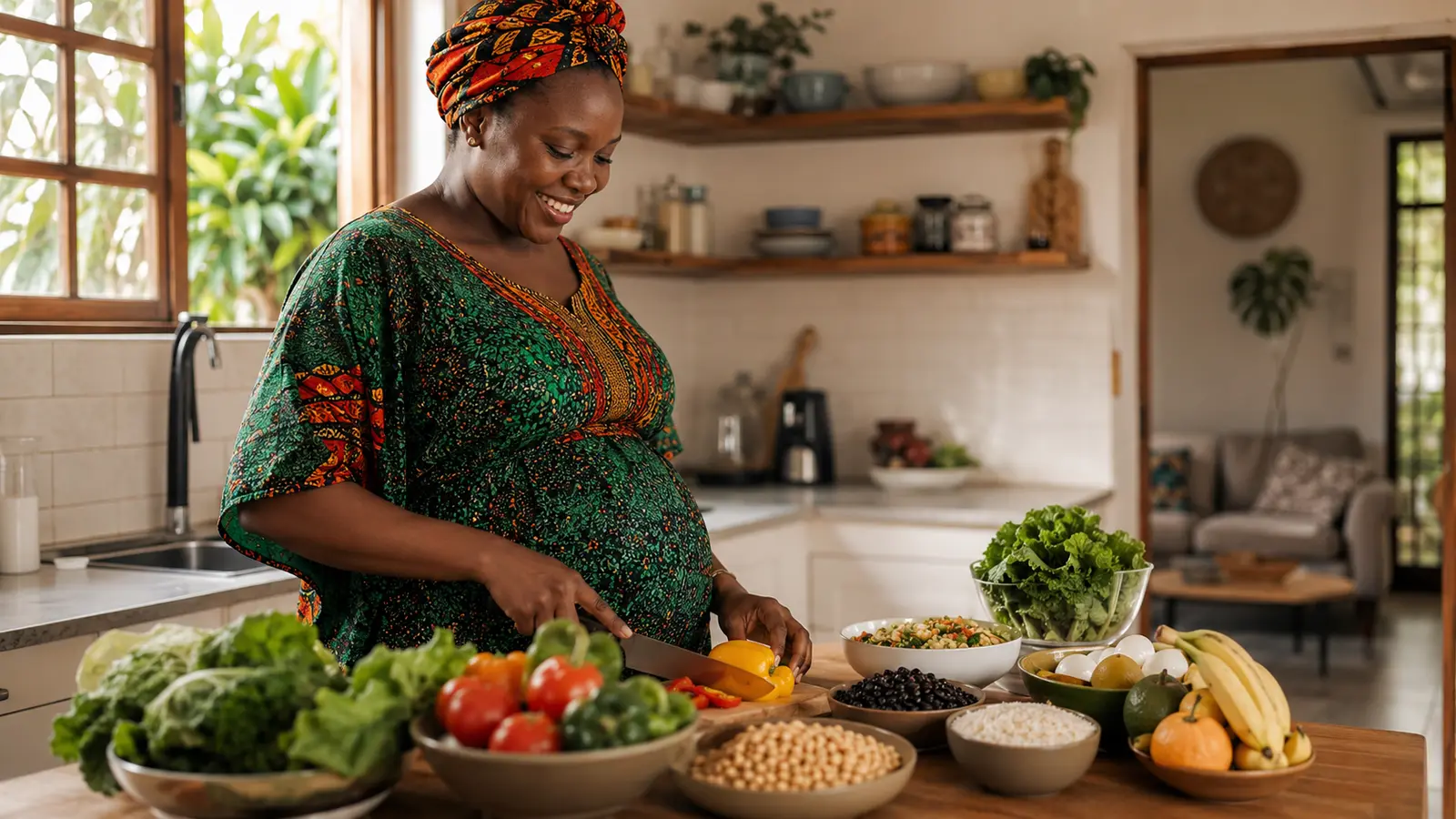
Pregnancy Nutrition Africa is easier to act on when advice is practical, evidence-aware and flexible enough for real African families. This guide focuses on useful habits rather than perfection, with clear points you can adapt to your child’s age, your household and the services available where you live.
Africa is not one parenting environment. Costs, languages, regulations, health systems, schools and digital access vary. Use the principles below as a framework and verify local medical, education or financial details with qualified professionals or official authorities.
Pregnancy Nutrition Africa: what parents should know first
Start with reliable information and one realistic change. Watch the result, keep what helps and adjust what does not. When safety or health is involved, professional advice takes priority over social media or generic online recommendations.
1. Prioritize variety
Build meals from several food groups using available staples, vegetables, fruits and suitable protein foods rather than relying on one supposed superfood.
For this step to stick, connect it to a routine your family already has. Keep expectations age-appropriate, explain the reason in simple language, and focus on repeated practice rather than one perfect day. Small systems are easier to maintain and easier to improve.
2. Discuss supplements with your clinician
Pregnancy needs differ. Ask your antenatal professional about iron, folic acid or other supplements recommended for you and follow professional dosing advice.
For this step to stick, connect it to a routine your family already has. Keep expectations age-appropriate, explain the reason in simple language, and focus on repeated practice rather than one perfect day. Small systems are easier to maintain and easier to improve.
3. Include iron-rich foods
Legumes, meats and other iron-containing foods can contribute to intake. Your clinician can assess whether diet and supplements are meeting your needs.
For this step to stick, connect it to a routine your family already has. Keep expectations age-appropriate, explain the reason in simple language, and focus on repeated practice rather than one perfect day. Small systems are easier to maintain and easier to improve.
4. Use safe water
Hydration matters, but water safety matters too. Use a trusted safe source and follow local guidance when water quality is uncertain.
For this step to stick, connect it to a routine your family already has. Keep expectations age-appropriate, explain the reason in simple language, and focus on repeated practice rather than one perfect day. Small systems are easier to maintain and easier to improve.
5. Take food hygiene seriously
Wash hands and produce, cook food appropriately and avoid unsafe storage practices. Pregnancy is not a time to take avoidable foodborne-illness risks.
For this step to stick, connect it to a routine your family already has. Keep expectations age-appropriate, explain the reason in simple language, and focus on repeated practice rather than one perfect day. Small systems are easier to maintain and easier to improve.
6. Manage nausea practically
Smaller, more frequent meals may feel easier for some people. Severe or persistent vomiting needs medical assessment because dehydration can become serious.
For this step to stick, connect it to a routine your family already has. Keep expectations age-appropriate, explain the reason in simple language, and focus on repeated practice rather than one perfect day. Small systems are easier to maintain and easier to improve.
7. Ask about foods to avoid
Food-safety advice varies by setting. Discuss raw or undercooked foods, high-mercury fish, unpasteurized products and locally relevant risks.
For this step to stick, connect it to a routine your family already has. Keep expectations age-appropriate, explain the reason in simple language, and focus on repeated practice rather than one perfect day. Small systems are easier to maintain and easier to improve.
8. Ignore miracle-food claims
No single food guarantees a healthy pregnancy. Consistent antenatal care and an overall balanced eating pattern matter more than trends.
For this step to stick, connect it to a routine your family already has. Keep expectations age-appropriate, explain the reason in simple language, and focus on repeated practice rather than one perfect day. Small systems are easier to maintain and easier to improve.
9. Plan around budget
Use seasonal produce, legumes, eggs or other affordable nutrient-dense foods where suitable. Healthy eating does not require imported products.
For this step to stick, connect it to a routine your family already has. Keep expectations age-appropriate, explain the reason in simple language, and focus on repeated practice rather than one perfect day. Small systems are easier to maintain and easier to improve.
10. Get help when eating is difficult
Food insecurity, severe heartburn, vomiting, anemia or other conditions may require tailored support. Tell your antenatal team rather than struggling silently.
For this step to stick, connect it to a routine your family already has. Keep expectations age-appropriate, explain the reason in simple language, and focus on repeated practice rather than one perfect day. Small systems are easier to maintain and easier to improve.
Turn the ideas into a simple family plan
- Choose the highest-priority issue.
- Pick one action you can repeat this week.
- Decide when it will happen.
- Notice progress and problems.
- Review and adjust after one or two weeks.
For the broader context, read our related Parenting.Africa pillar guide.
Frequently asked questions about Pregnancy Nutrition Africa
Should I use every tip immediately?
No. Start with safety and the most useful change, then add more only when the first step is manageable.
Does this work in every African country?
The principles can travel, but schedules, laws, services and financial rules do not. Confirm country-specific details locally.
When is professional support important?
Seek qualified help for serious health symptoms, safety issues, persistent developmental concerns, severe distress or financial products you do not understand.
Trusted sources
Editorial note: Parenting.Africa provides general educational information and does not replace individualized medical or financial advice.