


This article is general information, not medical advice. Vaccine schedules differ between countries. Always follow the schedule from your local clinic or national immunisation programme, and ask a health worker about your own child.
Vaccines are one of the most effective ways to protect children from serious illness. Diseases such as measles, whooping cough and polio, which once killed or disabled huge numbers of children across Africa, are now preventable. Yet many children still miss doses, often because parents are unsure which vaccines are due, or when.
This guide explains how routine childhood vaccination works, which vaccines are commonly given, and how to keep your child on track.
How childhood vaccination works in Africa
Every African country runs a national immunisation programme, often called the Expanded Programme on Immunization (EPI). Routine childhood vaccines through these programmes are usually free at government clinics and health centres. Many are supported by international partners such as Gavi, the Vaccine Alliance.
Each country sets its own schedule based on WHO recommendations for routine immunization and local disease risks. That is why the exact timing in Kenya may differ slightly from Nigeria or South Africa.
Vaccines commonly given in the first years
The list below reflects vaccines widely used in African national programmes. Your country may add others or use different timing.
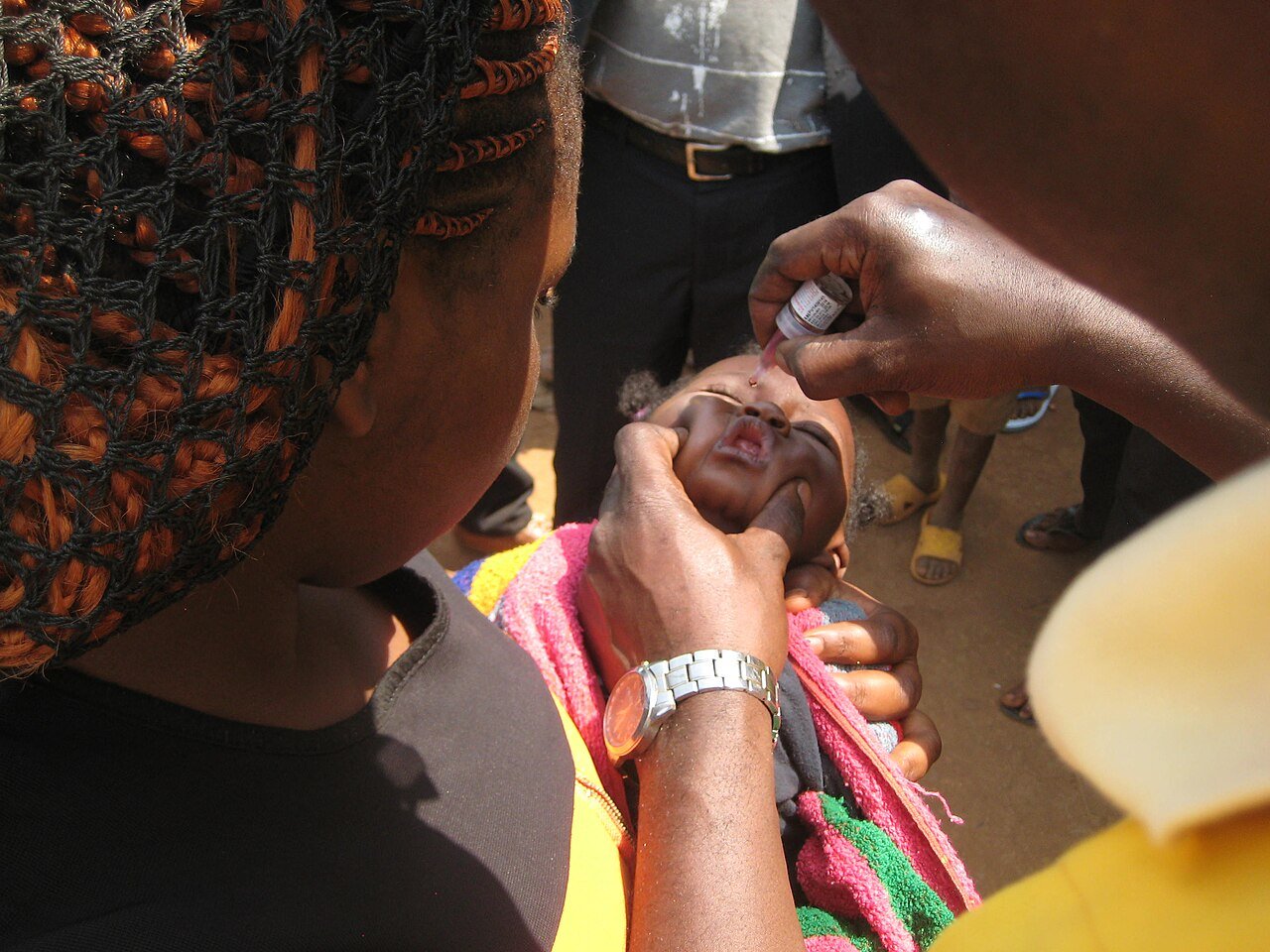
- At birth: BCG (against tuberculosis), a first dose of oral polio vaccine and, in many countries, a hepatitis B birth dose.
- In the first months (commonly around 6, 10 and 14 weeks): the “pentavalent” vaccine protecting against diphtheria, tetanus, whooping cough (pertussis), hepatitis B and Haemophilus influenzae type b; polio vaccine; pneumococcal vaccine (against pneumonia and meningitis); and rotavirus vaccine (against severe diarrhoea).
- Around 9 months and in the second year: measles-containing vaccine, often with a second dose later; yellow fever vaccine in countries where yellow fever occurs.
- Other vaccines used in some countries include meningitis A, malaria vaccines in eligible areas, and HPV vaccine for girls, usually from age 9 to 14, to help prevent cervical cancer later in life.
Why the timing matters
Vaccines are scheduled for the ages when children are most at risk and when their immune systems respond best. Some need several doses to give full protection. Missing or delaying a dose leaves your child unprotected for longer.
If your child has missed a vaccine, do not panic and do not start again. Visit your clinic: health workers can usually give “catch-up” doses.
Keep your child’s health card safe
The clinic card or road-to-health booklet you receive at birth is your child’s vaccination record. Bring it to every clinic visit, keep it somewhere dry and safe, and take a photo of it on your phone as a backup. Schools sometimes ask to see it, and it is essential if you move or change clinics.
Common worries, answered
Are side effects normal?
Mild reactions such as a sore arm or leg, slight fever or fussiness for a day or two are common and usually pass on their own. Ask the health worker what to expect. Seek medical help if your child has a high fever, is unusually drowsy, has trouble breathing, or you are worried.
Can my child be vaccinated if they have a cold?
A mild illness is not usually a reason to delay. Tell the health worker how your child is feeling and let them decide.
Are vaccines safe?
Vaccines used in national programmes are tested and monitored for safety. According to the World Health Organization, immunisation prevents millions of deaths worldwide every year. If you have concerns, talk them through with a health worker rather than relying on social media posts.
The bottom line
Following your country’s vaccination schedule is one of the simplest, most effective things you can do to protect your child. Keep the health card safe, know when the next visit is due, and ask questions whenever you are unsure.
Sources
- World Health Organization: Recommendations for routine immunization, summary tables
- World Health Organization: Immunization coverage fact sheet
- WHO Regional Office for Africa: Immunization
- UNICEF: Immunization
Keep reading
- Diarrhoea and cholera in children: symptoms, ORS and when to get help
- Common childhood illnesses in Africa: prevention and when to see a doctor
- Affordable, nutritious family meals using local African ingredients
More child and family health guides in our Health section.
Featured image: “A young child receives oral polio vaccine dose” by CDC Global, via Wikimedia Commons, licensed under CC BY 2.0.