


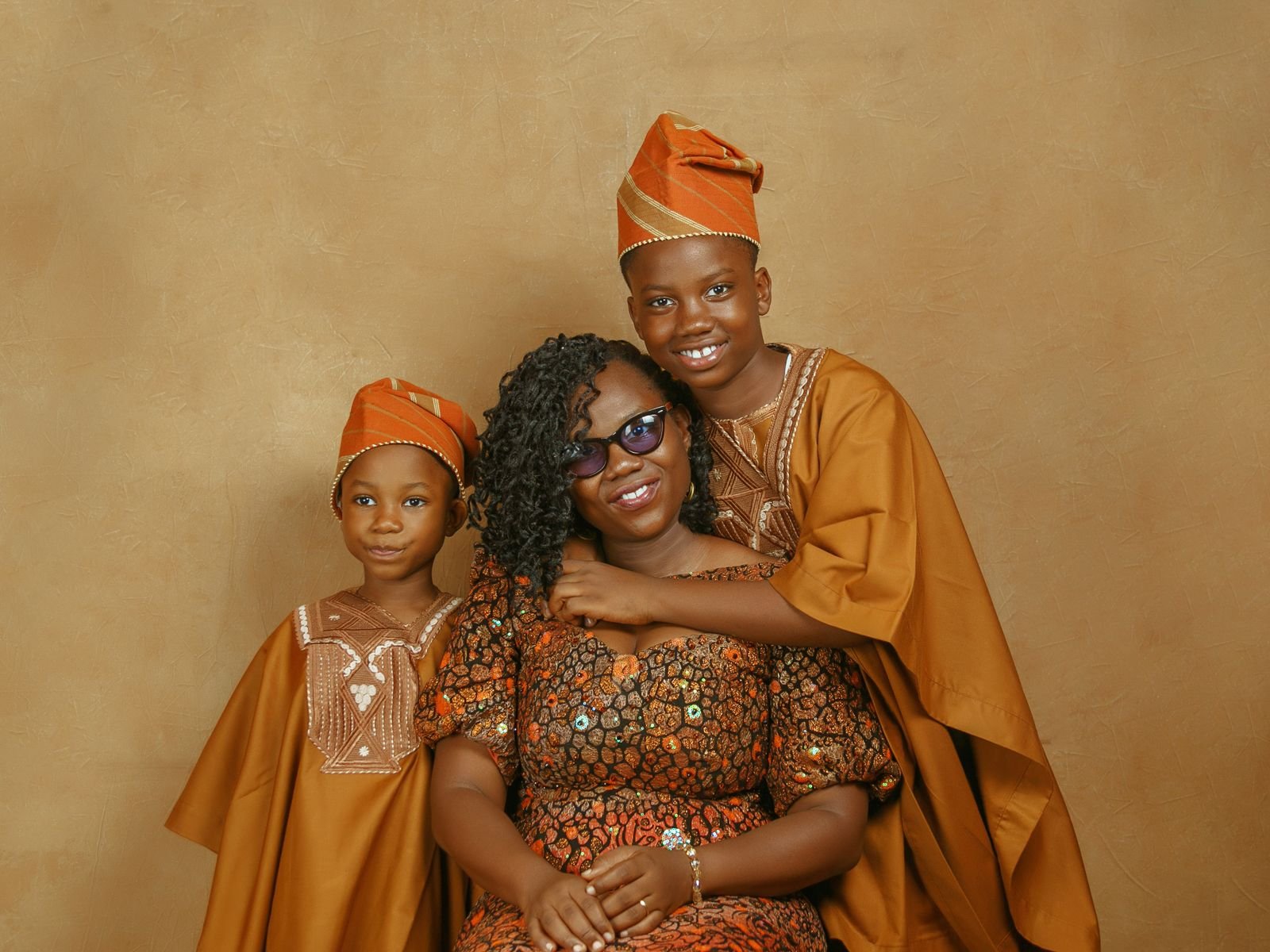
In Yoruba culture, a name is never just a label. It tells a story: about the family, the circumstances of a child’s birth, the parents’ faith or their hopes for the child. As the Yoruba saying goes, “Ilé ni a ń wò, kí a tó sọ ọmọ lórúkọ”: we look at the home before we name the child.
Whether you are Yoruba, married into a Yoruba family or simply love the sound and meaning of these names, this list of Yoruba baby names brings together popular and meaningful choices for boys and girls, with their meanings.
How Yoruba names work
Yoruba children are traditionally given several names, often during a naming ceremony (ìsọmọlórúkọ) held on the seventh, eighth or ninth day after birth. These usually include:
- Orúkọ àmútọ̀runwá: names a child is “born with”, based on how they were born, such as twins.
- Orúkọ àbísọ: names given by the family, often expressing joy, faith or the family’s situation.
- Oríkì: praise names that describe the hopes the family holds for the child.
Many names begin with a prefix that tells you something about the family: Adé- (crown, often royal lineage), Olú- or Olúwa- (God or Lord), Olá- (wealth or honour), Ayọ̀- (joy) and Akin- (bravery).
Yoruba boy names
- Adébáyọ̀: the crown meets joy
- Adékúnlé: the crown fills the home
- Adéwálé: the crown has come home
- Adéyẹmí: the crown befits me
- Adémọ́lá: the crown joins with wealth
- Akíntúndé: the brave one has returned
- Akínọlá: bravery and wealth
- Ayọ̀kúnlé: joy fills the home
- Bábájídé: father has woken (returned)
- Bọ́láji: one who wakes up with wealth
- Kọ́láwọlé: brings wealth into the home
- Káyọ̀dé: one who brings joy
- Ọláwálé: wealth has come home
- Ọládélé: wealth has arrived home
- Olúfẹ́mi (Fẹ́mi): God loves me
- Olúsẹ́gun (Sẹ́gun): God has conquered
- Olúṣọlá (Ṣọlá): God has made wealth
- Olúwagbénga (Gbénga): God lifts me up
- Olúwakáyọ̀dé: God brings joy
- Olúwaṣeun (Ṣeun): we thank God
- Olúwatóbi (Tóbi): God is great
- Olúwatimilẹ́hìn (Timi): God is behind me
- Olúwadámiláre (Dámi): God has justified me
- Ọlámídé: my wealth has come
- Olúmídé: my Lord has come
- Bábátúndé (Túndé): father has returned
Yoruba girl names
- Àbíkẹ́: born to be pampered
- Àbímbọ́lá: born into wealth
- Àbísọ́lá (Bísọ́lá): born into wealth
- Adéṣẹwà: the crown of beauty
- Adénikẹ́: the crown is to be cherished
- Àdùnní: sweet to have
- Bọ́lanlé: found wealth at home
- Bùkọ́lá: added to wealth
- Ẹ̀bùnolúwa (Ẹ̀bùn): gift of God
- Ẹniọlá: a person of wealth
- Fọláṣadé (Ṣadé): honour befits the crown
- Fúnmiláyọ̀: give me joy
- Olúfúnkẹ́ (Fúnkẹ́): God gave me someone to cherish
- Ìtùnúolúwa (Ìtùnú): God’s comfort
- Ìyábọ̀: mother has returned
- Jùmọ̀kẹ́: loved and cherished by all
- Mojísọ́lá: I woke up in wealth
- Mọ́rẹ́nikẹ́: I have found someone to cherish
- Mọ́túnráyọ̀: I have found joy again
- Olúwakẹ́mi (Kẹ́mi): God cherishes me
- Olúwatóyìn (Tóyìn): God is worthy of praise
- Ọmọ́lárá: a child is family
- Oyinkánsọ́lá: honey dripped into wealth
- Rẹ́milẹ́kún: console me (wipe my tears)
- Símisọ́lá: rest in wealth
- Títílayọ̀: everlasting joy
- Tolúlọpẹ́: thanks belong to God
- Wúraọlá: gold of wealth
- Yétúndé: mother has returned
Unisex Yoruba names
- Ayọ̀mídé: my joy has arrived
- Ayọ̀délé: joy has come home
- Dámilọ́lá: make me wealthy (wrap me in wealth)
- Ìbùkún: blessing
- Ifẹ́olúwa (Ifẹ́): God’s love
- Inioluwa: God’s own (property)
- Ìyanuolúwa: God’s miracle
- Mayọ̀wá: bring joy
- Opẹ́yẹmí: thanksgiving befits me
- Fíyìnfolúwa: give glory to God
- Olúwanifẹ́mi: God loves me
- Tẹ́mítọ́pẹ́: mine is worthy of thanks
- Tolúwanímí: I belong to God
“Born with” names (orúkọ àmútọ̀runwá)
These names are not chosen. Yoruba tradition holds that the child arrives with them, based on how they were born.
- Táíwò: the first-born twin (“taste the world first”)
- Kẹ́hìndé: the second-born twin, traditionally considered the elder
- Ìdòwú: the child born after twins
- Àlàbá: the child born after Ìdòwú
- Ìgè: a child born feet first
- Òjó: a boy born with the umbilical cord around his neck
- Àìná: a girl born with the umbilical cord around her neck
- Dàda: a child born with naturally curly or locked hair
- Abíọ́nà: a child born during a journey
- Abíọ́dún: a child born during a festival or celebration
Tips for choosing a Yoruba name
- Ask the elders. Grandparents often know family names and the stories behind them.
- Check the tones. Yoruba is a tonal language, so the same letters can mean different things. Writing names with their tone marks preserves their meaning.
- Think about the short form. Most long names have a common nickname, such as Ṣeun for Olúwaṣeun or Túndé for Bábátúndé.
- Consider the prefix. Some families reserve Adé- names for royal lineages or use Ògún- and Ifá- names for traditional religious ties. When in doubt, ask.
Frequently asked questions
What is the most popular Yoruba boy’s name?
Names such as Olúwaṣeun, Olúwatóbi, Ayọ̀mídé, Olúwadámiláre and Fẹ́mi are widely used, especially names that begin with Olúwa- (God).
What does “Olúwa” mean in Yoruba names?
Olúwa means “God” or “Lord”. Names beginning with Olúwa- express faith, such as Olúwatóbi (God is great) and Olúwaṣeun (we thank God).
What are the Yoruba names for twins?
The first-born twin is Táíwò and the second-born is Kẹ́hìndé. The child born after twins is Ìdòwú, and the next is Àlàbá.
Keep reading
- 100+ meaningful African baby names and what they mean
- Traditional vs. modern parenting: finding a balance in African families
More name guides in our Baby Names section.
Featured image: Photo by Lanre Agboola on Pexels.