


This article is general information, not medical advice. If you are worried about your child, contact a doctor, nurse or health facility. If your child shows any danger sign listed below, seek care immediately.
Almost every child gets diarrhoea at some point. Most cases pass in a few days. But in babies and young children, diarrhoea can quickly cause dehydration, and outbreaks of cholera continue to affect communities in parts of Africa. Knowing what to do in the first hours makes a real difference.
According to the World Health Organization, diarrhoeal disease is one of the leading causes of death in children under five worldwide, yet it is largely preventable and treatable. This guide explains how.
What counts as diarrhoea in a child?
Diarrhoea means passing three or more loose or watery stools in a day, or more often than is normal for your child. Breastfed babies often have soft, frequent stools; that alone is not diarrhoea. The concern is a clear change: more frequent, much more watery stools.
Common causes
- Viruses such as rotavirus, especially in babies and toddlers
- Bacteria and parasites from unsafe water or contaminated food
- Poor handwashing after using the toilet or changing nappies
- Cholera, a severe bacterial infection spread through contaminated water and food
Cholera: what parents should know
The WHO cholera fact sheet describes cholera as an acute diarrhoeal infection that can kill within hours if untreated. Many infected people have mild or no symptoms, but severe cases cause large amounts of watery diarrhoea, sometimes described as looking like “rice water”, along with vomiting and rapid dehydration.
If there is a cholera outbreak in your area and your child develops sudden, heavy, watery diarrhoea, start oral rehydration solution immediately and go to the nearest health facility or cholera treatment centre.
Signs of dehydration
Dehydration, not the diarrhoea itself, is what makes children seriously ill. Watch for:
- Fewer wet nappies, or no urine for six hours or more in a baby
- Dry mouth and lips, and crying with few or no tears
- Sunken eyes, or a sunken soft spot on a baby’s head
- Unusual sleepiness, weakness or irritability
- Skin that goes back slowly when gently pinched
What to do at home
1. Give oral rehydration solution (ORS)
ORS replaces the water and salts lost through diarrhoea. It is available cheaply at pharmacies and often free at government clinics. Mix it exactly as the packet says, using safe drinking water. Give small, frequent sips with a cup or spoon, even if your child vomits. Wait a few minutes after vomiting, then continue slowly.
2. Give zinc if a health worker advises it
The WHO recommends zinc supplements for children with diarrhoea, usually for 10 to 14 days, because zinc shortens the illness and reduces the chance of it returning. Ask your pharmacist or clinic for the right dose for your child’s age.
3. Keep feeding
Continue breastfeeding, and breastfeed more often. Older children should keep eating normal, easy-to-digest foods such as pap, rice, porridge, bananas and soups. Avoid sugary drinks, sodas and undiluted fruit juice, which can make diarrhoea worse.
Danger signs: go to a health facility now
- Your child is very sleepy, floppy or difficult to wake
- They cannot drink or breastfeed, or vomit everything
- There is blood in the stool
- Signs of dehydration are getting worse
- Your baby is under six months old and has diarrhoea
- Diarrhoea lasts more than a few days, or comes with a high fever
- You suspect cholera during a local outbreak
How to prevent diarrhoea and cholera
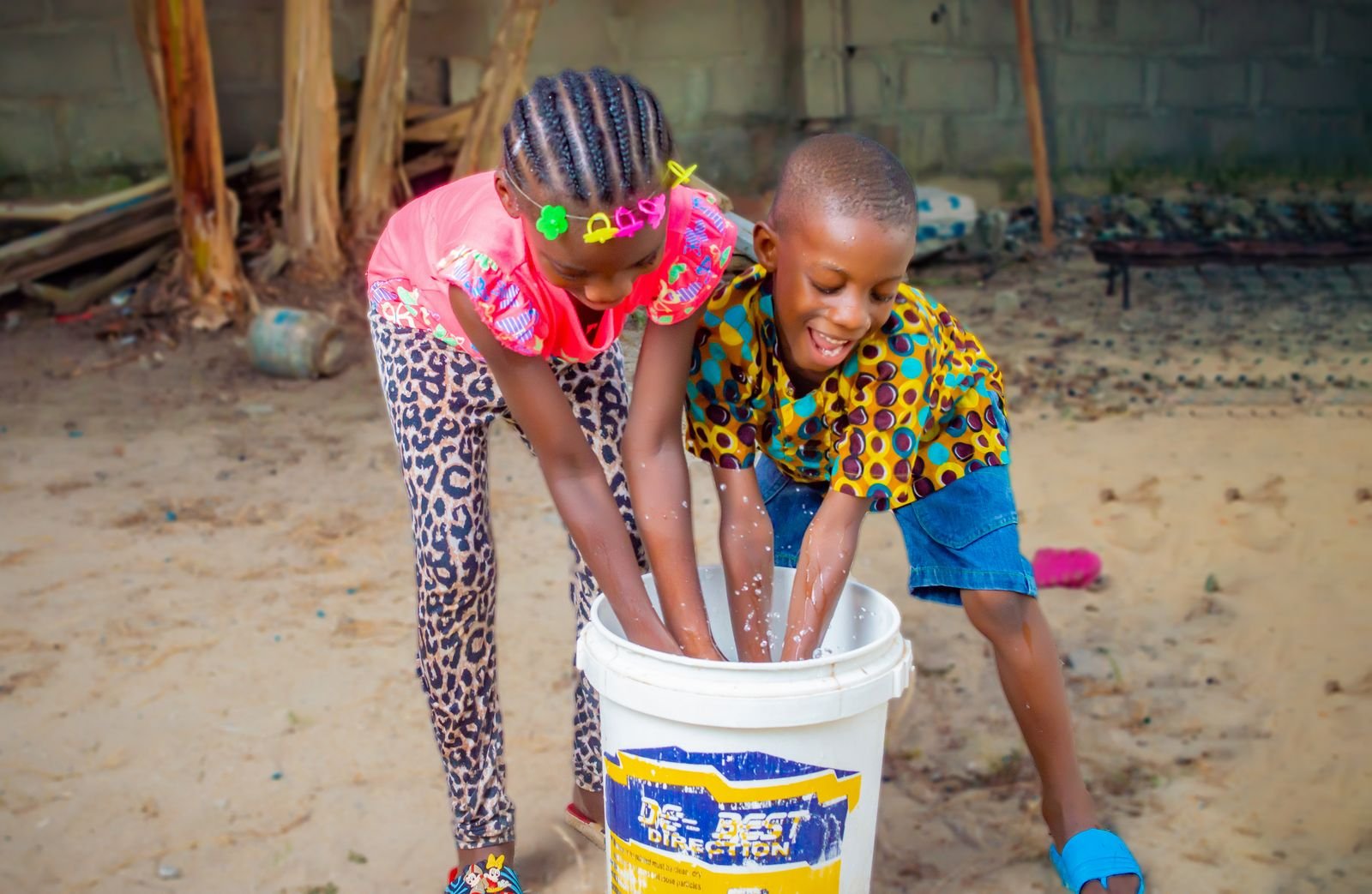
- Wash hands with soap after using the toilet, changing nappies and before preparing food or eating.
- Drink safe water: boil it, treat it with chlorine tablets, or use a trusted source.
- Cook food thoroughly, eat it hot, and keep it covered from flies.
- Breastfeed exclusively for the first six months, as advised by the WHO.
- Vaccinate: rotavirus vaccine is part of routine schedules in many African countries. See our childhood vaccinations guide.
- Use toilets or latrines, and dispose of children’s stools safely.
Frequently asked questions
How do I know if my baby’s diarrhoea is serious?
Look for signs of dehydration, blood in the stool, high fever, refusing to feed or unusual sleepiness. Any of these, or diarrhoea in a baby under six months, needs medical attention.
Can I make ORS at home?
Ready-made ORS packets are best because the balance of salt and sugar matters. If you cannot get ORS, give safe fluids and seek care quickly; ask a health worker about the correct home recipe.
What are the first symptoms of cholera in children?
Sudden, heavy, watery diarrhoea, often with vomiting, that quickly leads to dehydration. Start ORS immediately and go to a health facility.
Sources
- World Health Organization: Diarrhoeal disease fact sheet
- World Health Organization: Cholera fact sheet
Keep reading
- Common childhood illnesses in Africa: prevention and when to see a doctor
- Childhood vaccinations in Africa: what every parent should know
More child and family health guides in our Health section.
Featured image: Photo by Oyetola Togunde on Pexels.