


This article is general information, not legal advice. Laws, public service rules and employer policies change. Always check your employment contract, your HR department, or a labour lawyer for advice on your situation. Details are correct as of October 2026.
A new baby brings many questions, and one of the first for working parents is: how much leave am I entitled to? The answer depends on your country, whether you work in the private or public sector and, in Nigeria, even which state employs you.
This guide sets out what the law says about maternity and paternity leave in Nigeria and Kenya, in plain language.
Maternity and paternity leave at a glance
| Maternity leave | Paternity leave | |
|---|---|---|
| Kenya (all employees) | 3 months, full pay | 2 weeks, full pay |
| Nigeria: private sector (Labour Act) | 12 weeks, at least 50% pay (after 6 months’ service) | None required by law |
| Nigeria: federal civil service | 16 weeks, full pay | 14 working days |
| Nigeria: Lagos State public service | 6 months, full pay | Around 10 working days (see below) |
Kenya
Maternity leave in Kenya
Under Section 29 of the Employment Act, 2007, a female employee is entitled to three months of maternity leave with full pay. She must give at least seven days’ written notice of her intention to take leave and of her return date. She has the right to return to the same job or a reasonably suitable alternative on no less favourable terms.
Paternity leave in Kenya
Section 29(8) of the Employment Act gives a male employee two weeks of paternity leave with full pay.
Pre-adoptive leave in Kenya
A 2021 amendment added Section 29A, giving employees one month of pre-adoptive leave with full pay when a child is placed in their care for adoption, as reported by Kenyans.co.ke.
Could Kenya’s maternity leave get longer?
A proposal to extend maternity leave from three to six months has been before Parliament’s Labour Committee, according to the Daily Nation. Until it becomes law, the three-month entitlement applies.
Nigeria
Private sector: the Labour Act
Section 54 of the Labour Act covers maternity protection for many private-sector workers. In summary, a woman is entitled to 12 weeks of maternity leave, and if she has worked for the employer for at least six months, she is entitled to at least 50% of her wages during that time. When she returns, a nursing mother is entitled to breaks during the working day to breastfeed.
The Labour Act does not require private employers to give paternity leave. Many employers now offer it voluntarily, so check your contract or staff handbook.
Federal civil service
Federal public servants are entitled to 16 weeks of fully paid maternity leave. Since a 2022 circular, male federal civil servants can take 14 working days of paternity leave, once every two years and for up to four children, as summarised by Pulse Nigeria.
State governments
Several states have introduced longer leave for their own public servants:
- Lagos State: six months of fully paid maternity leave for public servants. Paternity leave of around 10 working days is widely reported, though published figures vary, so confirm the current rule with your HR office.
- Other states, including Kwara, Ekiti, Enugu and Cross River, have reportedly adopted six-month maternity leave for civil servants.
State rules apply only to people employed by that state government. Private-sector workers in Lagos, for example, are covered by the Labour Act and their contracts, not the Lagos public service rules.
Tips for planning your leave
- Read your contract and staff handbook. Many employers offer more than the legal minimum.
- Give notice in writing, with your expected due date and a doctor’s or midwife’s letter.
- Agree a handover plan before you go, so you can switch off during your leave.
- Plan your finances if your leave is not fully paid. Our budgeting guide has practical tips.
- Dads, take your leave. Research and lived experience both show the early weeks matter. See our guide to modern fatherhood.
- Know your rights on return, including breastfeeding breaks where the law provides for them.
Frequently asked questions
How many days is paternity leave in Kenya?
Two weeks with full pay, under Section 29(8) of the Employment Act, 2007.
How many months is maternity leave in Nigeria?
Under the Labour Act, 12 weeks (about three months) with at least half pay for eligible private-sector workers. Federal civil servants get 16 weeks with full pay, and some states, including Lagos, give their public servants six months.
Is paternity leave compulsory in Nigeria?
Not for private employers under the Labour Act. Federal civil servants are entitled to 14 working days, and some states and private companies offer paternity leave by policy.
Do adoptive parents get leave in Kenya?
Yes. Since 2021, employees are entitled to one month of pre-adoptive leave with full pay when a child is placed in their care.
Sources
- Kenya Law: Employment Act, 2007
- Daily Nation: Kenya’s maternity leave could go from 90 days to six months
- Kenyans.co.ke: Pre-adoptive leave
- Pulse Nigeria: Maternity and paternity leave in Nigeria, what does the law say?
- BarristerNG: Maternity and paternity leave in Nigeria
Keep reading
- Keeping your marriage strong after children
- Self-care for African moms balancing work and family
- Modern fatherhood: a guide for African dads
More for fathers in Just for Dad and for mothers in Just for Mom.
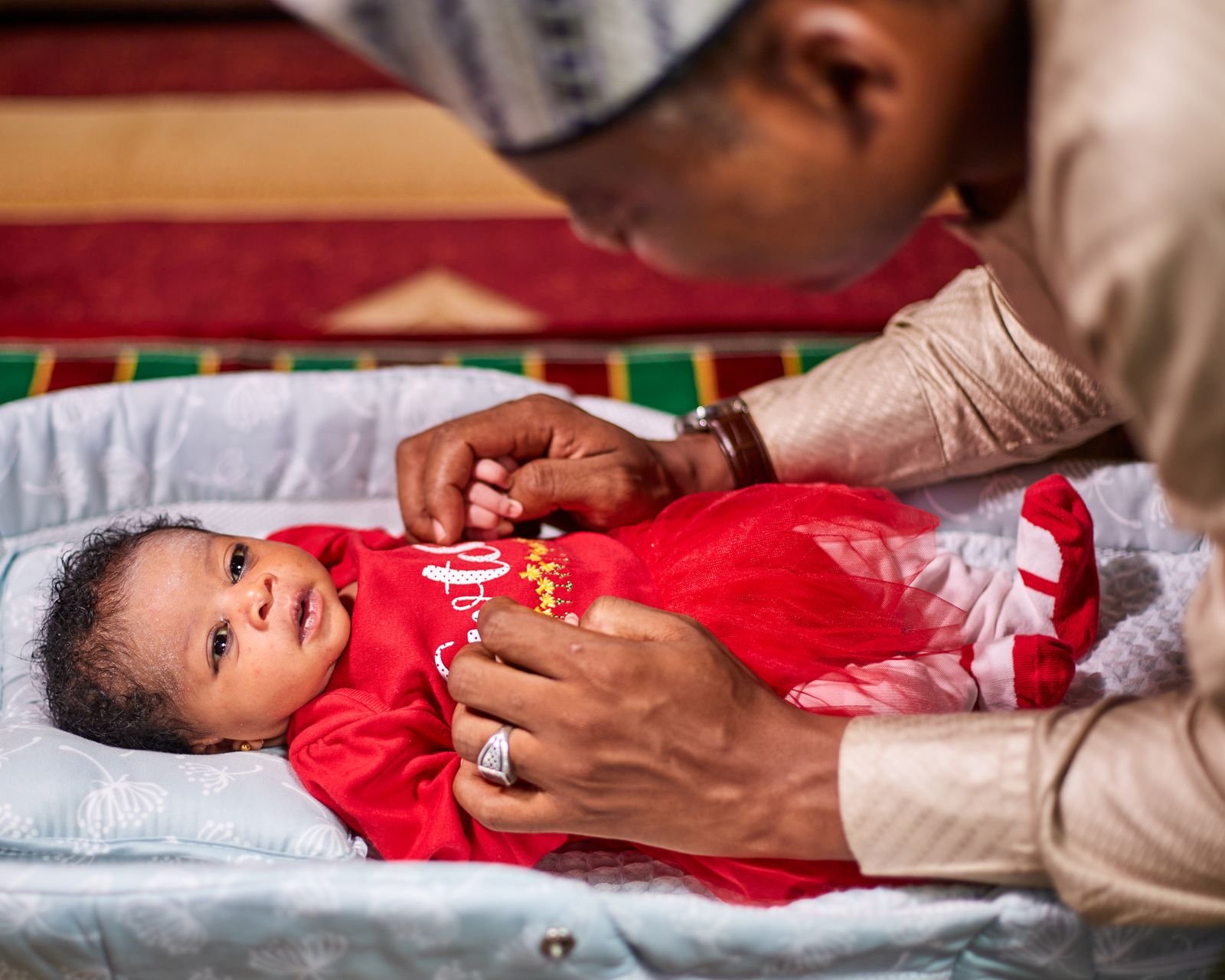
Featured image: Photo by mk_photoz on Pexels.