


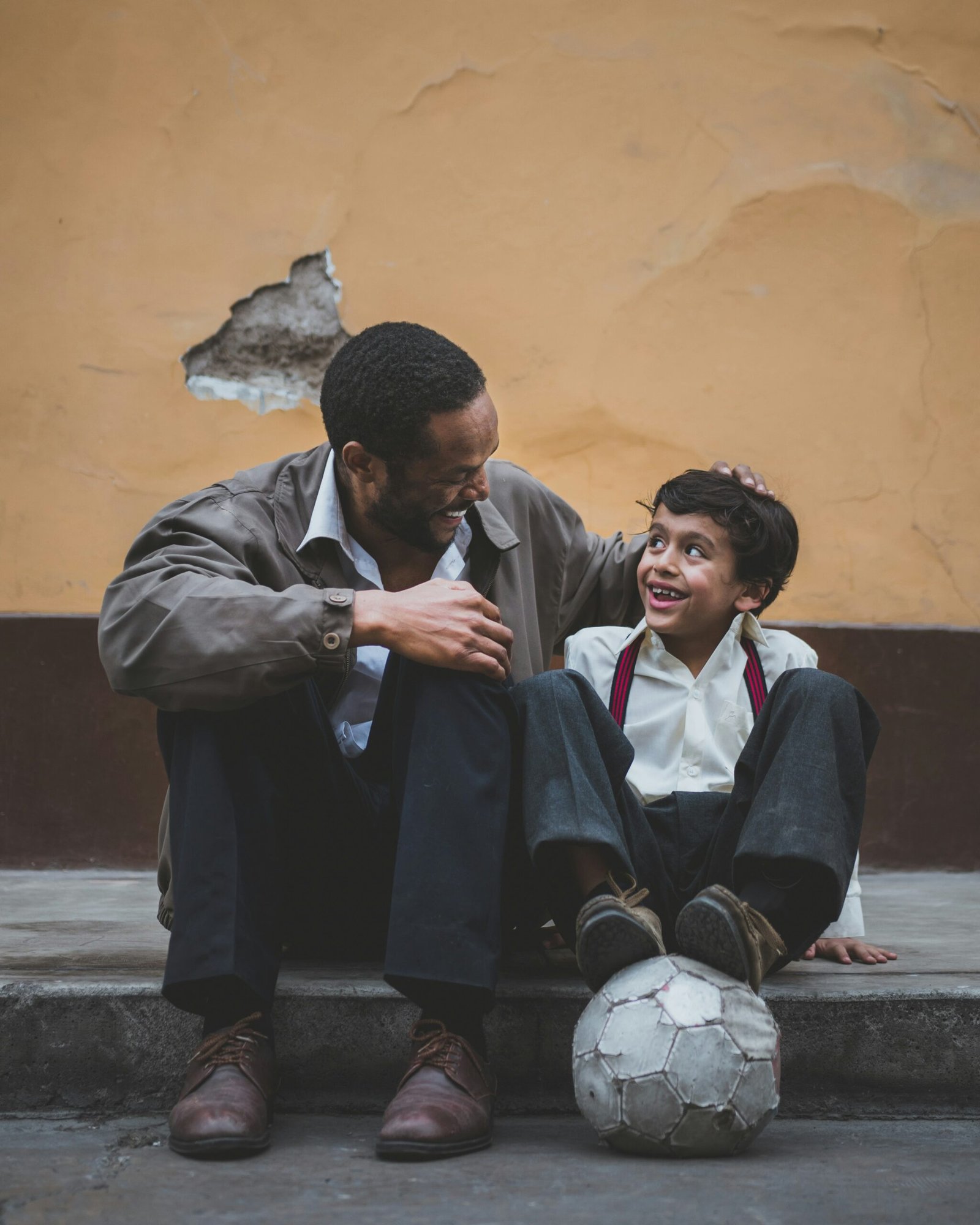
The image of the African father as primarily a provider — present but distant — is shifting. Across the continent, more dads want to be hands-on: changing diapers, doing school runs, having real conversations with their kids, and being emotionally present, not just financially responsible.
Why the Shift Matters
Research consistently shows that active father involvement is linked to better academic performance, stronger emotional regulation, and higher self-esteem in children. For dads, it also means a deeper relationship with their kids — not just being remembered as the one who paid the bills.
What Hands-On Fatherhood Looks Like
- Being present for the small moments, not just the big ones — homework help, bedtime stories, a quiet chat after a hard day at school.
- Sharing the mental load, not just physical tasks — remembering appointments, knowing your child’s friends’ names, tracking school deadlines alongside your partner.
- Showing emotion, not just discipline. Letting your children see you express care, apologize when you’re wrong, and talk through feelings — it teaches them emotional intelligence by example.
- Being a visible partner, not a helper. Framing parenting as a shared responsibility with your partner, not something you "help out with."
Common Challenges — and How to Work Through Them
"I didn’t grow up with this model." Many dads today are consciously parenting differently from how they were raised. That’s not disrespect to your own father — it’s an evolution, and it’s okay to learn as you go.
Work and provider pressure. Financial responsibility is real and important — the goal isn’t to abandon that role, but to add presence on top of it, even in small, consistent ways.
Feeling unsure where to start. You don’t need a dramatic overhaul. Start with one consistent ritual — a daily check-in, a weekend activity just the two of you, a bedtime routine you own.
Practical Ways to Start Today
- Take over one recurring task fully (school pickup, bath time, bedtime) rather than "helping" occasionally.
- Ask your child one specific, open-ended question a day — not just "how was school?"
- Talk to your partner about splitting the invisible tasks — appointments, planning, emotional check-ins — not just the visible ones.
- Find or build a community of dads who are also trying to show up differently — it helps to not do this alone.
Modern fatherhood in Africa isn’t about rejecting tradition — it’s about expanding what "provider" means to include presence, patience, and emotional availability alongside responsibility.