

This article is general information, not medical advice. If your baby has difficulty breathing, a high fever or is unusually drowsy, seek medical care immediately.
From around November to March, the harmattan wind blows dry, dusty air from the Sahara across West Africa. Mornings turn hazy, nights get surprisingly cold, and skin and lips crack. For babies and young children, harmattan can mean dry skin, blocked noses, coughs and flare-ups of asthma.
Here is how to keep your little one comfortable and healthy through harmattan season.
How harmattan affects babies and children
- Dry, cracked skin and lips, especially on the cheeks, hands and feet
- Catarrh and blocked noses from dry air and dust
- Coughs and sore throats
- Itchy, red or watery eyes
- Nosebleeds from dry nasal passages
- Asthma flare-ups in children with asthma
- Dehydration, because dry air pulls moisture from the body
Protecting your baby’s skin
- Moisturise twice a day, ideally straight after bathing, while the skin is still slightly damp. Petroleum jelly, shea butter or a fragrance-free baby cream all work well.
- Use lukewarm, not hot, water for baths, and keep baths short.
- Choose mild, fragrance-free soap, and use only a little.
- Protect the lips with a thin layer of petroleum jelly or shea butter.
- Dress in soft cotton layers, which are gentler on dry skin than rough fabrics.
Keeping their breathing easy
- Keep the home as dust-free as possible: damp-dust surfaces and mop floors rather than sweeping, which stirs dust up.
- Close windows during very dusty periods, especially in the morning haze.
- Saline nose drops can help loosen catarrh in babies. Ask your pharmacist for ones suitable for your child’s age.
- A bowl of water in the room can add a little moisture to the air.
- Children with asthma: make sure inhalers are not expired, keep them close, and follow their asthma plan. See a doctor if attacks become more frequent. The WHO lists dust and changes in weather among common asthma triggers.
Keeping warm on cold nights
- Dress babies in one more layer than you would wear, with socks and a soft cap at night.
- Use warm, breathable blankets, but keep loose bedding away from a young baby’s face. Babies should sleep on their backs on a firm surface.
- Check your baby is warm but not sweating by feeling the back of the neck or chest.
Fire and heating safety
Harmattan is a dry season with a higher risk of fires, and the WHO notes that children are among those most at risk of burns.
- Never run a generator indoors or near open windows. Generator fumes contain carbon monoxide, which can kill.
- Never leave children alone near charcoal stoves, kerosene lamps or open fires.
- Do not burn charcoal indoors for warmth.
- Keep matches and lighters out of reach.
Food, water and eye care
- Breastfeed often. Breastfed babies under six months do not need extra water.
- Offer older children water regularly, along with fruits such as oranges, watermelon and pawpaw.
- Wipe eyes gently with clean, cooled boiled water and a fresh cloth if they are crusty. See a health worker if eyes are red, swollen or have yellow discharge.
When to see a doctor
- Difficulty breathing, fast breathing or wheezing
- A high fever, or any fever in a baby under three months
- A cough that lasts more than two weeks
- Cracked skin that bleeds, oozes or looks infected
- Repeated or heavy nosebleeds
- Signs of dehydration: few wet nappies, dry mouth, sunken eyes
Frequently asked questions
How do I protect my baby’s skin during harmattan?
Bathe in lukewarm water with mild soap, moisturise straight after bathing with petroleum jelly, shea butter or a fragrance-free cream, and protect the lips.
Is harmattan bad for babies with catarrh?
Dry, dusty air can make catarrh worse. Keep the home dust-free, use age-appropriate saline drops, keep your baby well fed and hydrated, and see a doctor if breathing becomes difficult.
How should I dress my baby for harmattan nights?
Use soft cotton layers, socks and a cap, with one more layer than an adult would wear. Keep loose bedding away from a young baby’s face.
Sources
Keep reading
- Common childhood illnesses in Africa: prevention and when to see a doctor
- Malaria in children under 5: symptoms, treatment and prevention
More child and family health guides in our Health section.
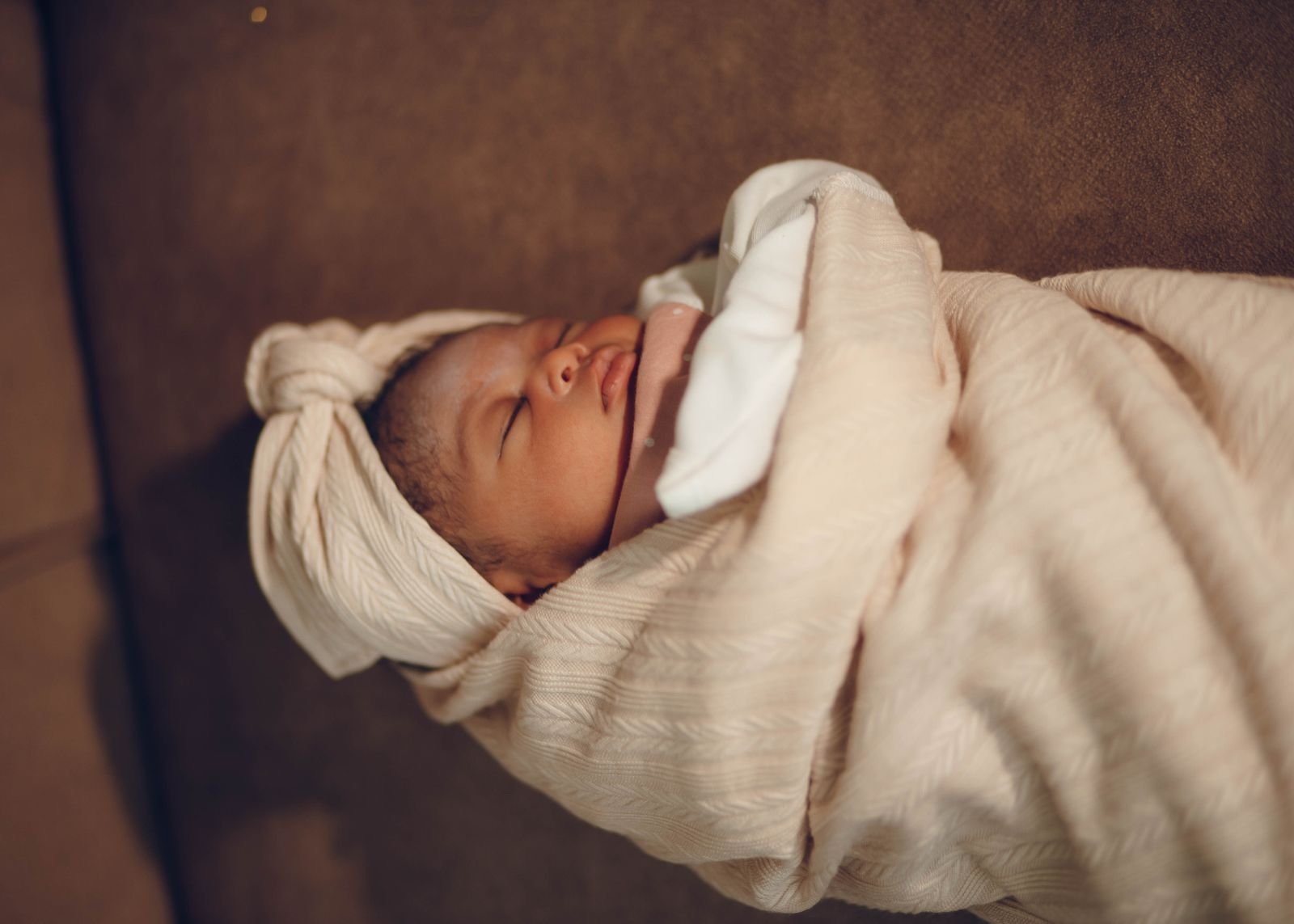
Featured image: Photo by Ab Pixels on Pexels.