


This article is general information, not medical advice. If your child has a fever and you live in or have travelled to a malaria area, get them tested at a health facility the same day. If your child shows any danger sign listed below, seek emergency care immediately.
Malaria is preventable and curable, yet it remains one of the biggest dangers to young children in Africa. According to the World Health Organization, the WHO African Region had about 95% of the world’s malaria cases and deaths in 2024, and children under five accounted for about 75% of malaria deaths in the region. Nigeria alone accounted for almost a third of those deaths.
The good news: quick testing and the right treatment save lives. This guide explains how malaria in children under 5 shows up, what to do, and how to prevent it.
Why young children are most at risk
Babies and young children have not yet built up any immunity to malaria. In them, the illness can move from mild to severe very quickly. The WHO warns that untreated P. falciparum malaria, the most common type in Africa, can progress to severe illness and death within 24 hours.
Symptoms of malaria in children
Early malaria often looks like many other illnesses. Common signs include:
- Fever, which may come and go
- Chills or shivering
- Headache and body aches (older children may say “my body is paining me”)
- Vomiting, diarrhoea or poor appetite
- Unusual tiredness, irritability or crying in babies
Symptoms usually start 10 to 15 days after an infected mosquito bite.
Danger signs: go to a hospital immediately
- Convulsions (fits)
- Very sleepy, floppy or difficult to wake
- Difficulty breathing or very fast breathing
- Unable to drink, breastfeed or keep anything down
- Dark or bloody urine
- Yellow eyes or skin
- Very pale palms or lips, or unusual bleeding
Always test before treating
Many parents give antimalarial medicine at the first sign of fever. But fever has many causes, and treating without testing can mean a different illness, such as pneumonia or typhoid, is missed. The WHO recommends that every suspected case of malaria is confirmed with a test, either a rapid diagnostic test (RDT) or microscopy.
RDTs give results in about 15 to 20 minutes and are available at most health centres and many pharmacies.
How malaria is treated
- Uncomplicated malaria is usually treated with an artemisinin-based combination therapy (ACT), given by mouth over three days. The dose depends on your child’s weight or age, so follow the health worker’s instructions exactly.
- Complete the full course, even if your child seems better after the first day.
- Severe malaria needs hospital treatment, usually with injectable medicine.
- Avoid buying unknown or very cheap antimalarials from roadside sellers. Fake and poor-quality medicines are a real risk.
How to protect your child from malaria
1. Sleep under an insecticide-treated net every night
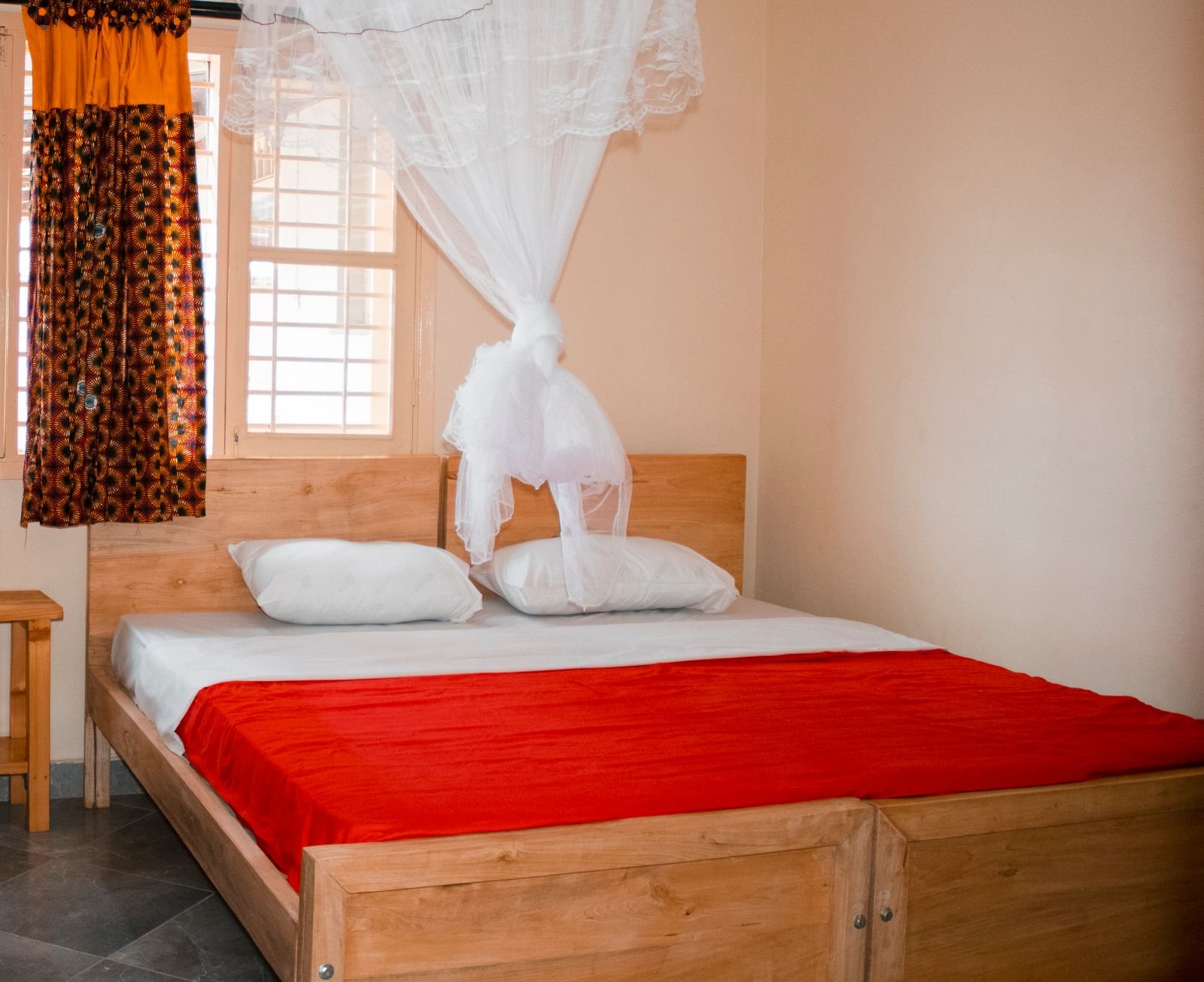
Insecticide-treated nets (ITNs) are one of the most effective protections. Tuck the net under the mattress, check it for holes, and use it every night, all year round, not only in the rainy season.
2. Reduce mosquito bites
- Use window and door screens where possible.
- Dress children in long sleeves and trousers in the evening.
- Use mosquito repellents suitable for children’s ages, following the label.
- Clear standing water around the home, such as in old tyres, containers and blocked gutters.
3. Take part in seasonal malaria chemoprevention
In some areas, especially across the Sahel and northern Nigeria, health workers give young children preventive medicine during the rainy season. This is called seasonal malaria chemoprevention (SMC). If campaigns run in your area, make sure your child receives every monthly dose.
4. Ask about the malaria vaccine
The WHO recommends two malaria vaccines for children in areas with moderate to high malaria transmission: RTS,S and R21. They are being rolled out through routine immunisation in a growing number of African countries. See our Nigeria immunisation schedule for details, and ask your clinic whether it is available where you live.
5. Protect pregnant women
Malaria in pregnancy can cause premature birth and low birth weight. Pregnant women should sleep under nets and attend antenatal care, where preventive treatment is offered.
Frequently asked questions
What are the first signs of malaria in a child?
Fever, chills, headache, vomiting, poor appetite and unusual tiredness or irritability. Because these look like other illnesses, a malaria test is the only way to be sure.
Can I treat my child’s malaria at home?
Uncomplicated malaria can be treated with an ACT prescribed after a positive test. Children with danger signs, or under-fives who are very unwell, need care at a health facility immediately.
How long does malaria treatment take to work?
Most children start to feel better within one to two days of starting an ACT. Always finish the full course, and go back to the clinic if your child is not improving or gets worse.
Sources
Keep reading
- Common childhood illnesses in Africa: prevention and when to see a doctor
- Diarrhoea and cholera in children: symptoms, ORS and when to get help
More child and family health guides in our Health section.
Featured image: Photo by Enock Ojambo on Pexels.