


Healthy Meals for Kids Africa matters to families across Africa, but useful advice must fit a child’s age, family circumstances, local services and the evidence behind it. This guide turns the topic into practical actions parents can use without chasing perfection. Start small, observe what works, and adapt the approach to your household.
Africa is not one parenting environment. Access, costs, languages, regulations and services differ widely between countries and communities. Use the principles below as a decision framework, then confirm country-specific health, education or financial details with the appropriate local authority or qualified professional.
Healthy Meals for Kids Africa: what to know first
Good family decisions usually combine reliable information, observation and routines that can be sustained. Avoid dramatic promises and one-size-fits-all advice. Safety comes first, followed by consistency and gradual improvement.
1. Build around local staples
Use familiar grains, roots or tubers as a base, then add vegetables or fruit and an appropriate protein source to improve variety.
Turn this into action by choosing one realistic step you can repeat this week. Keep the change simple enough to survive busy days. Notice progress, stress and unintended effects, and adjust rather than assuming one technique must work for every family.
2. Use beans and pulses
Beans, lentils, cowpeas and similar foods can be affordable and versatile in many regional dishes.
Turn this into action by choosing one realistic step you can repeat this week. Keep the change simple enough to survive busy days. Notice progress, stress and unintended effects, and adjust rather than assuming one technique must work for every family.
3. Add seasonal produce
Fresh, frozen or safely preserved vegetables and fruits can add variety. Choose what is affordable and available locally.
Turn this into action by choosing one realistic step you can repeat this week. Keep the change simple enough to survive busy days. Notice progress, stress and unintended effects, and adjust rather than assuming one technique must work for every family.
4. Include suitable protein foods
Eggs, fish, meat, dairy, legumes or other local foods can contribute important nutrients. Adapt texture and portions to age.
Turn this into action by choosing one realistic step you can repeat this week. Keep the change simple enough to survive busy days. Notice progress, stress and unintended effects, and adjust rather than assuming one technique must work for every family.
5. Make water the default
Regular safe drinking water is a simple way to reduce reliance on sugary drinks.
Turn this into action by choosing one realistic step you can repeat this week. Keep the change simple enough to survive busy days. Notice progress, stress and unintended effects, and adjust rather than assuming one technique must work for every family.
6. Plan a flexible family menu
A short rotating menu reduces daily decision fatigue. Swap ingredients based on price and season instead of abandoning the plan.
Turn this into action by choosing one realistic step you can repeat this week. Keep the change simple enough to survive busy days. Notice progress, stress and unintended effects, and adjust rather than assuming one technique must work for every family.
7. Involve children in preparation
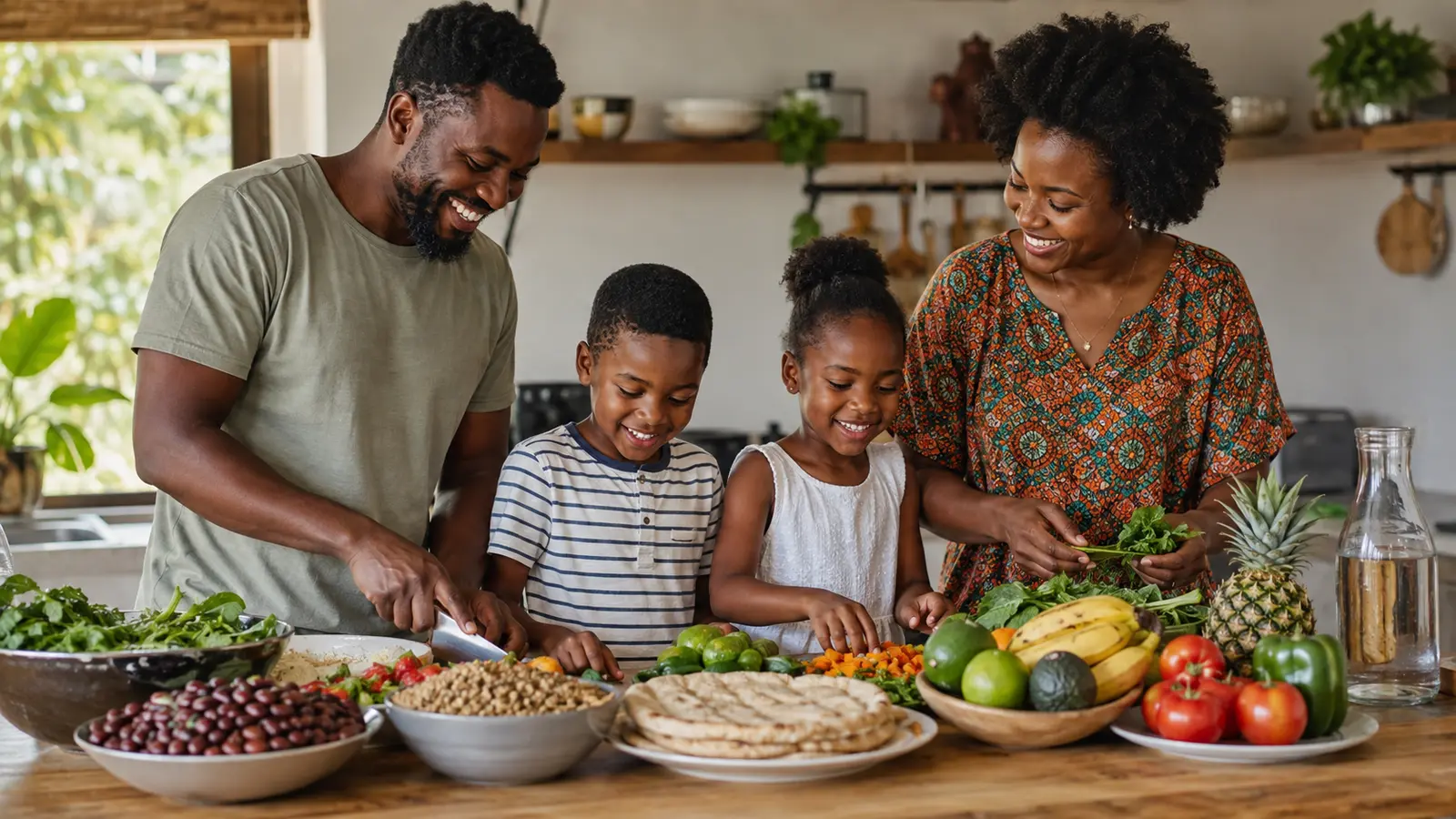
Age-appropriate washing, sorting, measuring and serving can make children more familiar with foods and build practical skills.
Turn this into action by choosing one realistic step you can repeat this week. Keep the change simple enough to survive busy days. Notice progress, stress and unintended effects, and adjust rather than assuming one technique must work for every family.
8. Respect appetite cues
Offer structured meals and snacks without force. Persistent feeding problems or poor growth deserve qualified assessment.
Turn this into action by choosing one realistic step you can repeat this week. Keep the change simple enough to survive busy days. Notice progress, stress and unintended effects, and adjust rather than assuming one technique must work for every family.
9. Keep food safety visible
Clean hands and surfaces, safe water, appropriate cooking and careful storage are essential, especially where refrigeration is unreliable.
Turn this into action by choosing one realistic step you can repeat this week. Keep the change simple enough to survive busy days. Notice progress, stress and unintended effects, and adjust rather than assuming one technique must work for every family.
10. Aim for patterns, not perfection
One meal does not define a child's diet. Look at variety and balance across days while respecting culture, budget and household realities.
Turn this into action by choosing one realistic step you can repeat this week. Keep the change simple enough to survive busy days. Notice progress, stress and unintended effects, and adjust rather than assuming one technique must work for every family.
A simple family action plan
- Choose the issue that matters most right now.
- Pick one realistic action from this guide.
- Decide when and how often you will do it.
- Watch for progress or new concerns.
- Review after one or two weeks and adjust.
For broader context, read our related Parenting.Africa pillar guide. Strong topical learning comes from connecting the immediate question to the wider parenting principle.
Frequently asked questions about Healthy Meals for Kids Africa
Do I need to do everything at once?
No. Prioritize safety and urgent needs, then add one manageable habit at a time. Sustainable routines are usually more useful than long checklists.
Does this advice apply in every African country?
The core principles are broadly useful, but schedules, services, laws, school rules and financial regulations vary. Confirm local details with official sources.
When should I seek professional help?
Seek qualified local help promptly for concerns involving serious health symptoms, safety, development, severe distress, abuse or financial decisions you do not understand.
Trusted sources
Editorial note: Parenting.Africa provides general educational information. Health and financial content does not replace individualized professional advice.